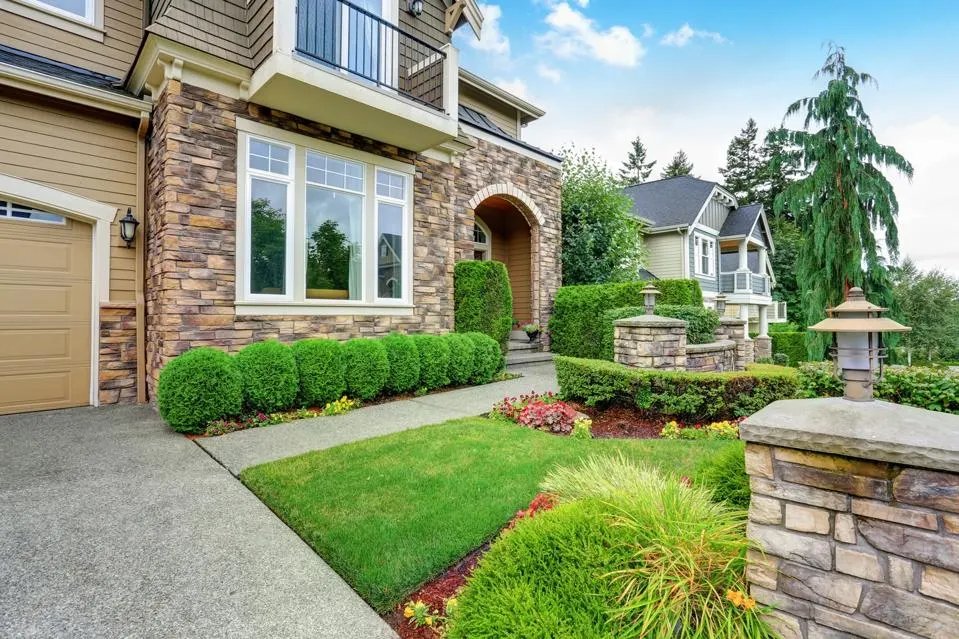
Refresh Mulch and Edge Plant Beds
One of the simplest and most cost-effective ways to boost curb appeal is refreshing your mulch and edging plant beds. Mulch not only gives your yard a polished, uniform look but also provides critical benefits for your plants: it retains moisture, suppresses weed growth, and regulates soil temperature. A single bag of organic mulch costs between $2 and $3, covering 2 to 3 square feet--meaning you can refresh a 100-square-foot bed for under $100.
"According to the National Association of Realtors, homes with strong curb appeal can sell for 5-10% more than comparable properties with neglected exteriors."
To get started, first remove any old, faded mulch or debris from your beds. Use a garden rake to loosen the top layer of soil, then edge the beds with a manual edger or string trimmer to create clean, defined lines between your plants and lawn. This step alone can make your yard look significantly tidier. Next, add 2 to 3 inches of fresh mulch, making sure to keep it at least 6 inches away from tree trunks to prevent rot.
For an extra touch, opt for natural brown or black mulch instead of brightly dyed varieties. Dyed mulch can contain harmful chemicals that leach into the soil, while natural mulch decomposes over time, adding nutrients to your garden. If you're on an even tighter budget, consider using shredded leaves or grass clippings as a free, organic alternative.
Paint or Refresh Outdoor Planters
Chipped, faded, or plain outdoor planters can drag down the look of your front porch or yard--but a fresh coat of paint can transform them in an afternoon. Exterior latex paint is the best choice for this project, as it's durable, weather-resistant, and available in a wide range of colors for just $5 to $10 per quart. You can paint plastic, ceramic, or even concrete planters to match your home's exterior color scheme.
Before painting, thoroughly clean your planters with warm, soapy water to remove dirt, mildew, or old paint residue. For rough or chipped surfaces, lightly sand the planter to create a smooth base. Apply a primer if you're painting over a dark color or porous material, then add 2 coats of paint, allowing each coat to dry completely before applying the next. For a custom look, use stencils to add patterns or monograms, or wrap the top edge of planters with burlap for a rustic touch.
If painting isn't your style, there are other budget-friendly ways to refresh planters. You can wrap them in decorative paper or fabric, or fill them with colorful stones or moss to add texture. For a temporary upgrade, swap out old plants for seasonal flowers like marigolds or petunias, which cost just a few dollars per pot and add instant color.
Add Solar-Powered String Lights
Solar-powered string lights are a versatile, affordable way to add ambiance and safety to your outdoor space. Unlike traditional wired lights, they require no electrical installation, making them perfect for renters or homeowners who don't want to deal with wiring. A set of 50 LED solar string lights costs between $15 and $30, and they can run for 8 to 10 hours on a single full charge.
Installing solar string lights is straightforward: simply hang them along fence lines, wrap them around tree branches, or drape them above your patio or porch. Look for lights with adjustable brightness settings or multiple lighting modes (like steady glow or twinkle) to create the perfect mood. For maximum efficiency, place the solar panel in a spot that gets at least 6 hours of direct sunlight each day.
To keep your solar lights working at their best, clean the solar panel every 2 to 3 weeks with a soft cloth to remove dust, dirt, or leaves. This ensures that the panel can absorb enough sunlight to power the lights overnight. If you live in a region with frequent rain or snow, choose lights with an IP65 waterproof rating to ensure they can withstand harsh weather conditions.
Upgrade Your Front Walkway with Paver Edging
A messy, unkempt front walkway can make your home look neglected--but adding paver edging is a low-cost way to define the space and boost curb appeal. Concrete or stone pavers cost between $1 and $2 per linear foot, so you can edge a 20-foot walkway for under $40. Paver edging not only creates a clean, polished look but also prevents grass and weeds from growing into the walkway.
To install paver edging, first mark the edge of your walkway with spray paint or string. Dig a trench that's 2 inches deep and 4 inches wide along the marked line. Place the pavers into the trench, making sure they're level with the walkway. Backfill the trench with gravel or sand to secure the pavers in place, then tamp down the soil around them to prevent shifting.
For an extra touch, add a layer of crushed stone or gravel between the pavers and the lawn to create a rustic, textured border. You can also choose pavers that contrast with your walkway's color--for example, using gray pavers with a concrete walkway--to make the edge stand out. If you're looking for an even cheaper option, use landscape timbers or plastic edging, which cost as little as $0.50 per linear foot.
Install Low-Maintenance Native Plants
Native plants are a budget-friendly, sustainable way to add color and life to your yard. Unlike non-native plants, they're adapted to your local climate and soil conditions, so they require less water, fertilizer, and maintenance. You can find native perennials like coneflowers, black-eyed Susans, or native grasses at local nurseries for $5 to $10 each.
According to the Environmental Protection Agency (EPA), native plants can reduce water usage by 30 to 50% compared to non-native plants, which can save you money on your water bill over time. They also attract pollinators like bees and butterflies, which are critical for a healthy ecosystem. When choosing native plants, check your USDA hardiness zone to ensure they'll thrive in your area.
To get started, assess your yard's sun and shade conditions--some native plants prefer full sun, while others thrive in partial shade. Plant them in groups of 3 to 5 to create a cohesive look, and add a layer of mulch around the base to retain moisture and suppress weeds. Once established, native plants require minimal upkeep, making them perfect for busy homeowners or those new to gardening.